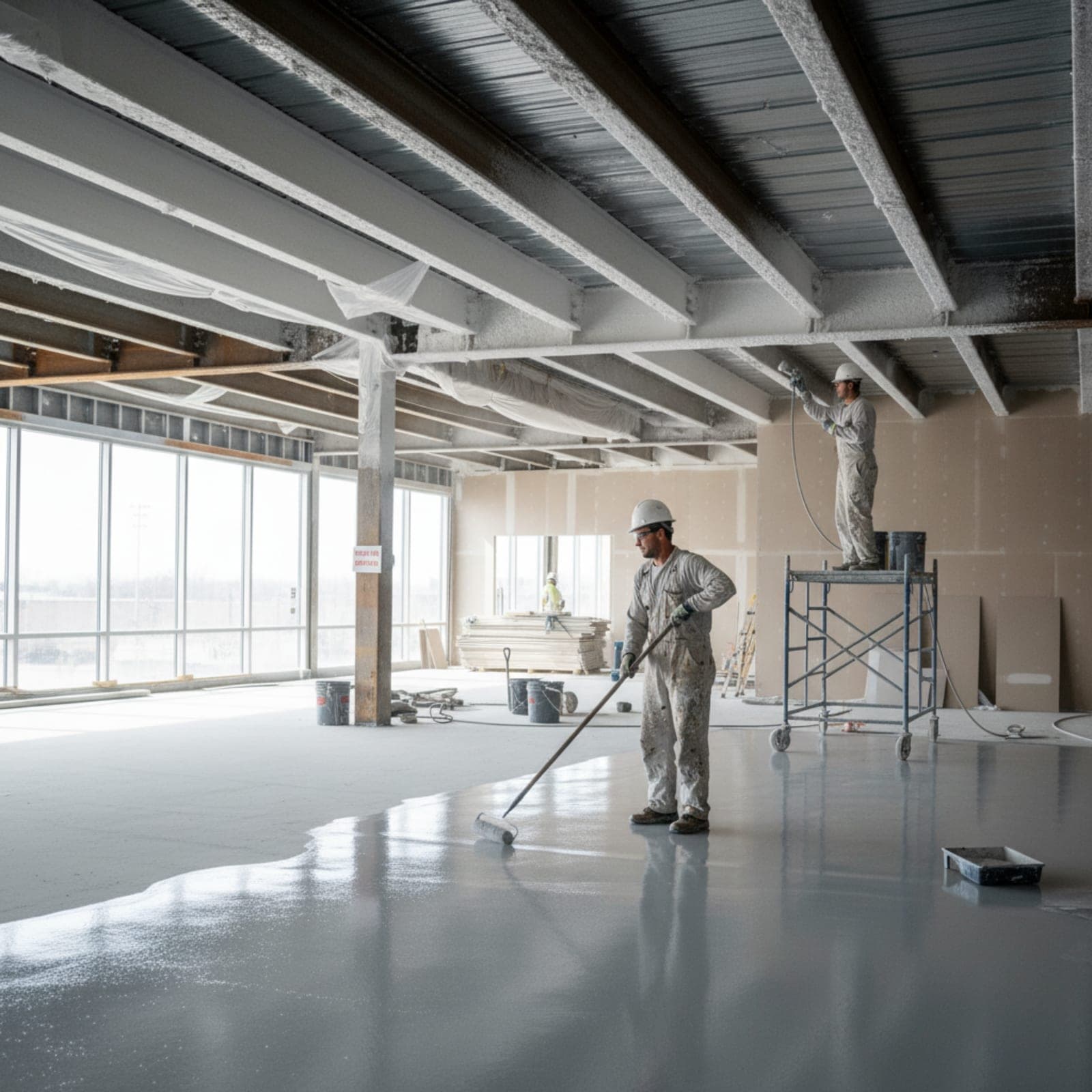
Digital Foreman showing automated warranty protection with NOAA weather intelligence

Stop losing warranty claims

Contractors lose tens of thousands of dollars, and sometimes hundreds of thousands, because they cannot prove temperature compliance at the time of installation.

Digital Foreman automatically documents weather conditions so teams can reduce warranty claim denials and keep defensible records.

The costly warranty problem

Two contractors. Two warranty voids. One missing piece: proof of temperature compliance.

  • Tens of thousands

    Residential warranty disaster

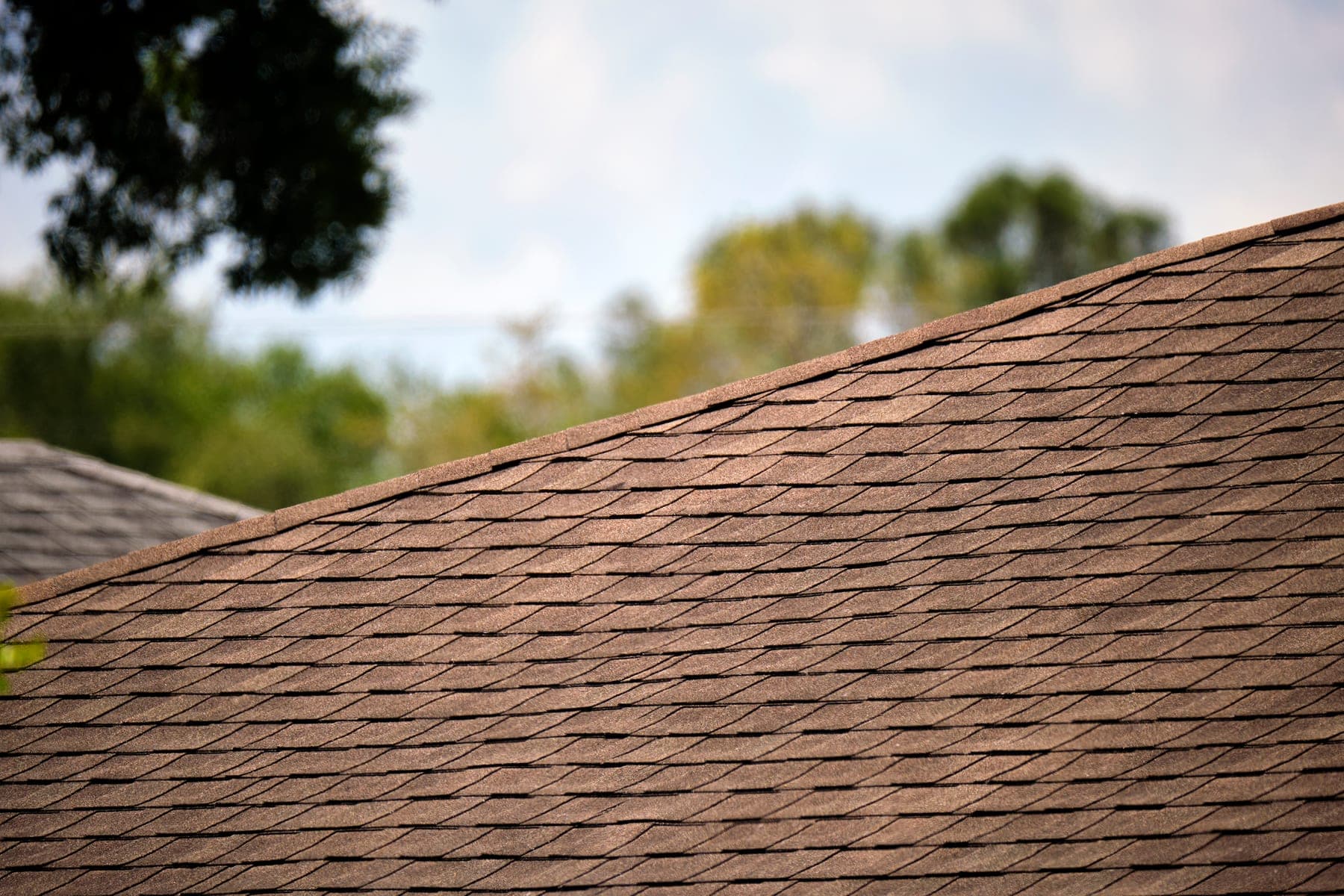
    Asphalt shingles

    The incident: A roofing contractor installed premium shingles on a major re-roof project. Six months later premature wear appeared, and the manufacturer denied the warranty claim because the contractor couldn't prove temperature compliance.

    Temperature: Estimated 38-42F, below the 40F minimum

    Manufacturer: Major shingle manufacturer

    Lesson: No timestamped weather documentation means no defensible warranty record.

  • Over $200,000

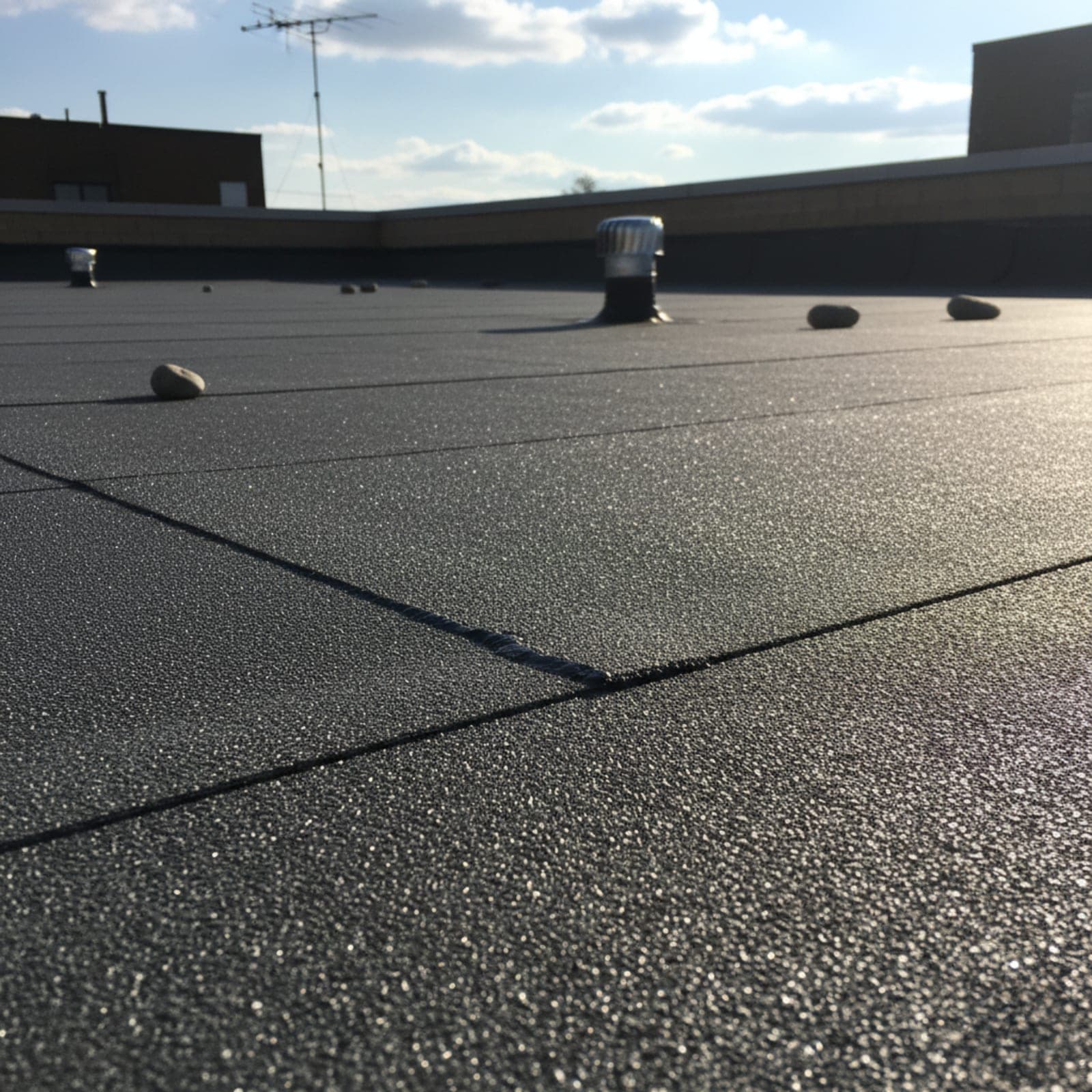
    Commercial modified bitumen loss

    Modified bitumen

    The incident: A commercial roofing crew installed a large roof at 34F, below the 40F minimum. The adhesive did not cure properly. Within eight months leaks developed, the warranty was voided, and the contractor had to replace the roof.

    Temperature: 34F, six degrees below minimum

    Manufacturer: Modified bitumen spec

    Lesson: Installing outside the manufacturer temperature range can void a warranty even when the crew did not realize conditions were out of spec.

Material-specific temperature constraints

Every material has its own installation window. Digital Foreman tracks these requirements and can enforce configured rules automatically.

  • Asphalt shingles roofing material with warranty temperature guidance

    Asphalt shingles

    Temperature range

    40-85F

    Sun offset

    -6F offset in direct sun

    Warranty voids if

    • Too cold: below -6F can make shingles brittle and prevent sealing.
    • Too hot: above 77F can void the warranty.
    • CertainTeed and Owens Corning can void warranties below 45F.
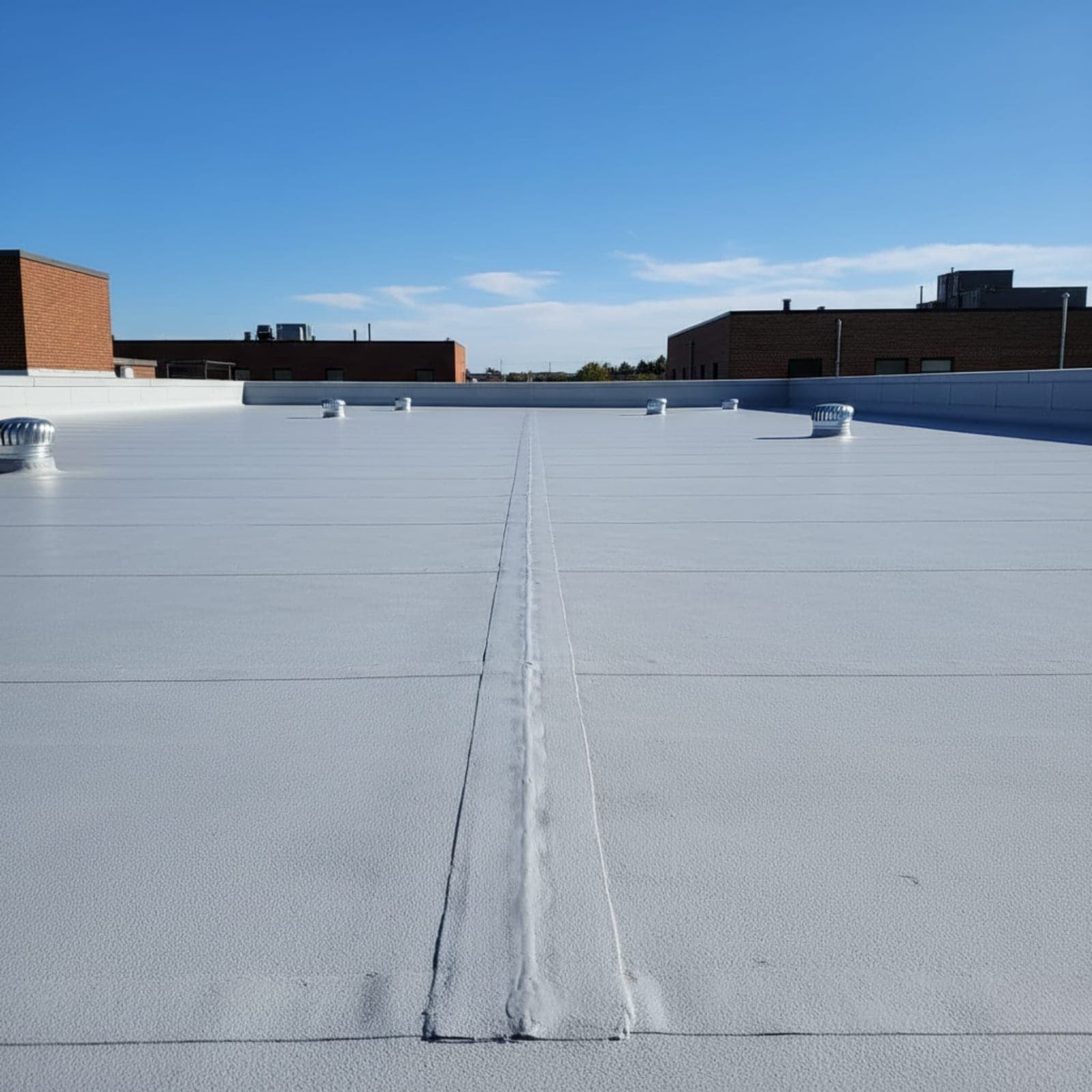
  • Modified bitumen roofing material with warranty temperature guidance

    Modified bitumen

    Temperature range

    40F minimum

    Warranty voids if

    • Below 40F the adhesive may not cure properly.
    • Torch application often requires even warmer conditions.
    • Manufacturers may void warranties if crews install while the material is cold.
  • TPO and EPDM roofing material with warranty temperature guidance

    TPO and EPDM

    Temperature range

    40-100F

    Sun offset

    Material temperature matters

    Warranty voids if

    • Cold conditions can make the membrane too stiff to handle safely.
    • Hot conditions can force adhesive to set too quickly.
    • Heat welding requires a specific temperature window.
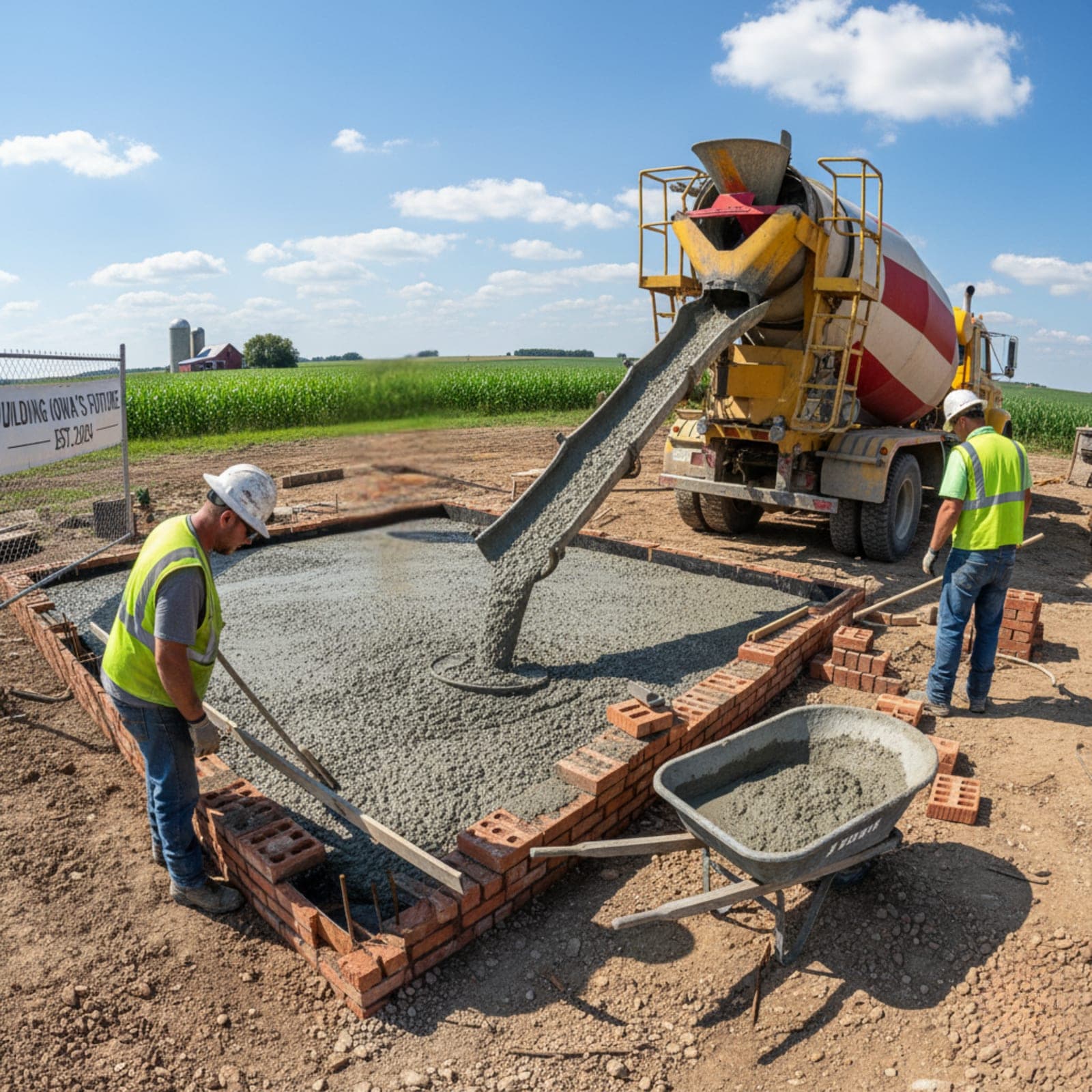
  • Concrete and mortar roofing material with warranty temperature guidance

    Concrete and mortar

    Temperature range

    40-90F

    Sun offset

    Curing conditions are critical

    Warranty voids if

    • Below 40F freezing can destroy strength.
    • Above 90F curing can happen too fast and create cracking.
    • Many installs remain vulnerable to rain for the first 24-48 hours.
  • Paint and coatings roofing material with warranty temperature guidance

    Paint and coatings

    Temperature range

    50-85F

    Sun offset

    Surface temperature matters

    Warranty voids if

    • Below 50F the product may not dry or cure correctly.
    • Above 85F solvents can evaporate too quickly.
    • Humidity above 85% can lead to poor adhesion.

Warranty protection on autopilot

Digital Foreman automatically documents weather conditions and enforces manufacturer requirements so crews do not lose claims over undocumented conditions.

  • NOAA and NWS weather data

    Court-admissible weather documentation from official government sources, with 15-minute updates for more accurate jobsite records.

  • Immutable weather snapshots

    Field reports and safety incidents can include timestamped weather snapshots that cannot be edited after the fact.

  • Material-specific temperature enforcement

    The system knows configured temperature requirements for asphalt, modified bitumen, TPO, concrete, paint, and more, then alerts crews when conditions drift out of range.

  • 11-year legal retention

    Weather documentation can be retained for long-lived claim defense so teams can answer warranty questions years after installation.

  • Automatic alerts

    Digital Foreman warns crews when current conditions could violate manufacturer specifications before they begin work that puts coverage at risk.

NOAA weather logging requires local data availability and features may vary by region. Weather documentation is designed to support warranty claims, but admissibility depends on the specific legal requirements in a given case.

Finn showing warranty protection made easier

Reduce warranty claim denials with better documentation

Do not be the next contractor who loses a claim because the crew cannot prove the weather window. See the workflow in a live demo.